
TRIZ - Problems and Contradictions
Introduction
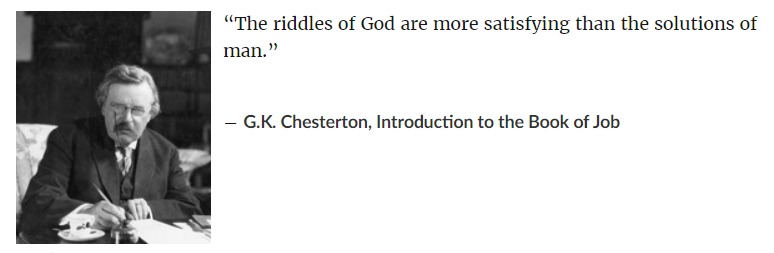
Let us take our first step into the world of TRIZ. What did you think of immediately when you saw the first picture on this page?
And this one?
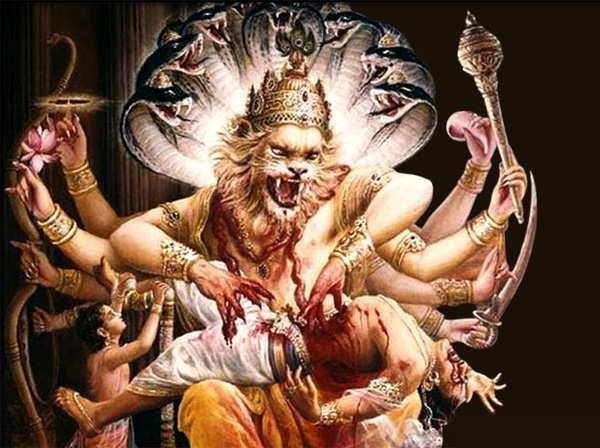
Hiranyakashipu asked (Brahma) for a boon: not to be killed by any human or animal, during day or night, inside a home or outside, on earth or in the sky, by any weapon, thunderbolt, fire, water, or creature created by Brahma.
And Narasimha?
Vishnu manifested as Narasimha—a half-man, half-lion hybrid (neither human nor beast)—emerging from a palace pillar at twilight (neither day nor night). He dragged Hiranyakashipu to the threshold (neither inside nor outside), placed him on his lap (neither earth nor sky), and tore him apart with claws (neither weapon nor tool).
TRIZ Worldview #1: Problems are Contradictions
In TRIZ, the fundamental way of looking at an Inventive Design Problem is to discover and propose Contradictions. These are rendered in as simple and stark a language as possible…the starker the better!
Once we have our Contradiction (and there can be more than one in a given Design Situation !) we can use TRIZ Principles to solve them WITHOUT COMPROMISE.
What sort of Contradictions do we see in these familiar objects? What is good and what is not so good? Could that be the source of a problem to solve?
Some Everyday Objects for us to Contemplate

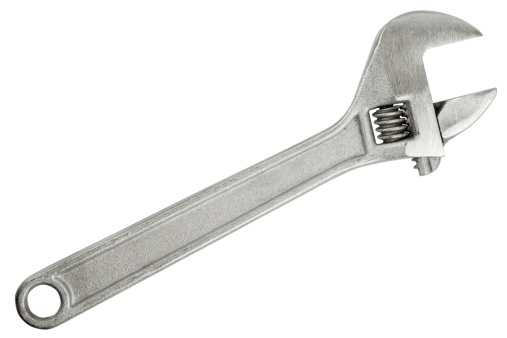

Contemplate and note down for each Object:
- PURPOSE: What is the Object meant to do? What is its Main Purpose?
- ACCOMPANYING: What are the other Accompanying Objects that it works with?
- KNOBS: What is
One Aspect, or Parameter, or KnobMetaphoric Attribute for each of the Objects that you have listed, that makes the Object useful? - SETTING: What are the current Settings/Values for each Knob?
- MEDDLE: Change the Setting of Each Knob to its natural opposite extreme. What Happens? Is it a good thing? When?
- You will see that in many cases, each Knob creates a Certain Outcome at one Setting and another Outcome at the Opposite Setting.
- Are both Outcomes desirable? Do you want “eat your cake and have it too?”
- This could be the source of your PROBLEM / CONTRADICTION !!
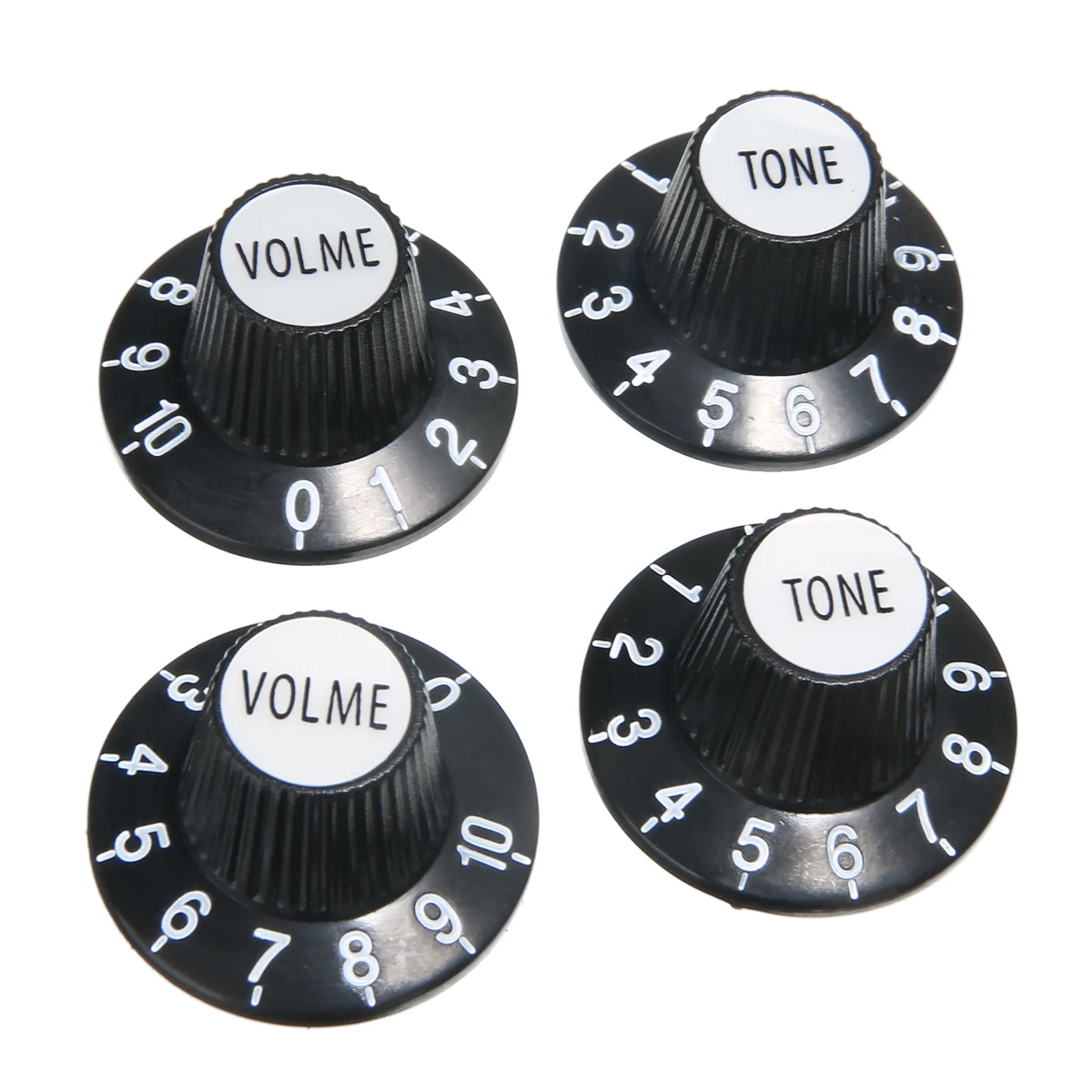
In TRIZ, this way of expressing a Problem as a simple Contradiction is referred to as stating an ADMINISTRATIVE CONTRADICTION (AC). (Oh those Russians…).
Later we will use our experience with making metaphors to convert the AC into a more TRIZ-like Contradiction, using TRIZ language.
Let us now consider some examples first and then get some practice at setting up simple AC:
Some Example Contradictions…
We see them everywhere….if one is observant!! Let’s see a few:
C1: Fresh vs Factory-made Fruit juices
How is this for a Contradiction? A shelf in a supermarket carries this placard for a shelf of FRESH JUICE:
C2: Covid: School Meals vs Corona
Here is another:
C3: Snails: Safety vs Heat
Snails want to stay safe, and there is safety on the ground, but the ground is too hot. On the Ground, a Snail can be by itself, above the ground, they become visible to predators.

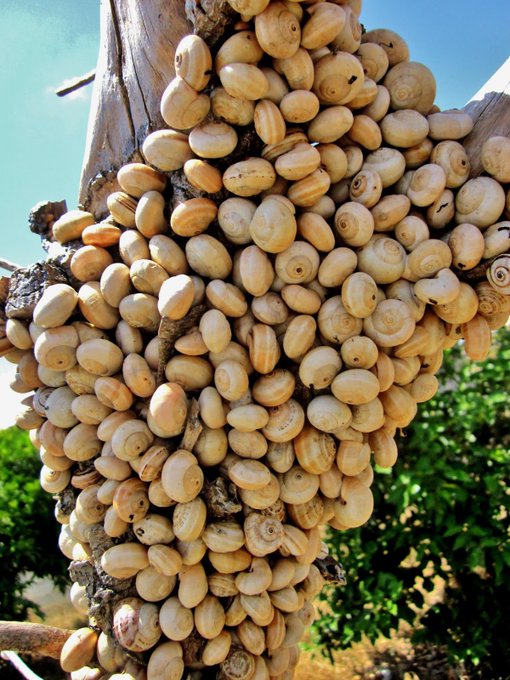
So…they need to group together.
C4: Covid again: Layoffs vs Healthcare Insurance
Most people’s healthcare is tied to their job….Therefore, every corona-time layoff creates yet another person without health insurance in this country. (The Corona Pandemic needs healthcare and therefore health Insurance.)
This outbreak is highlighting, with extreme clarity, every major contradiction of this society and its decaying social order. https://t.co/EtSUY3pPMi
— Revolutionary Left Radio (@RevLeftRadio)
C5: Whiteboard Markers are made wrong!
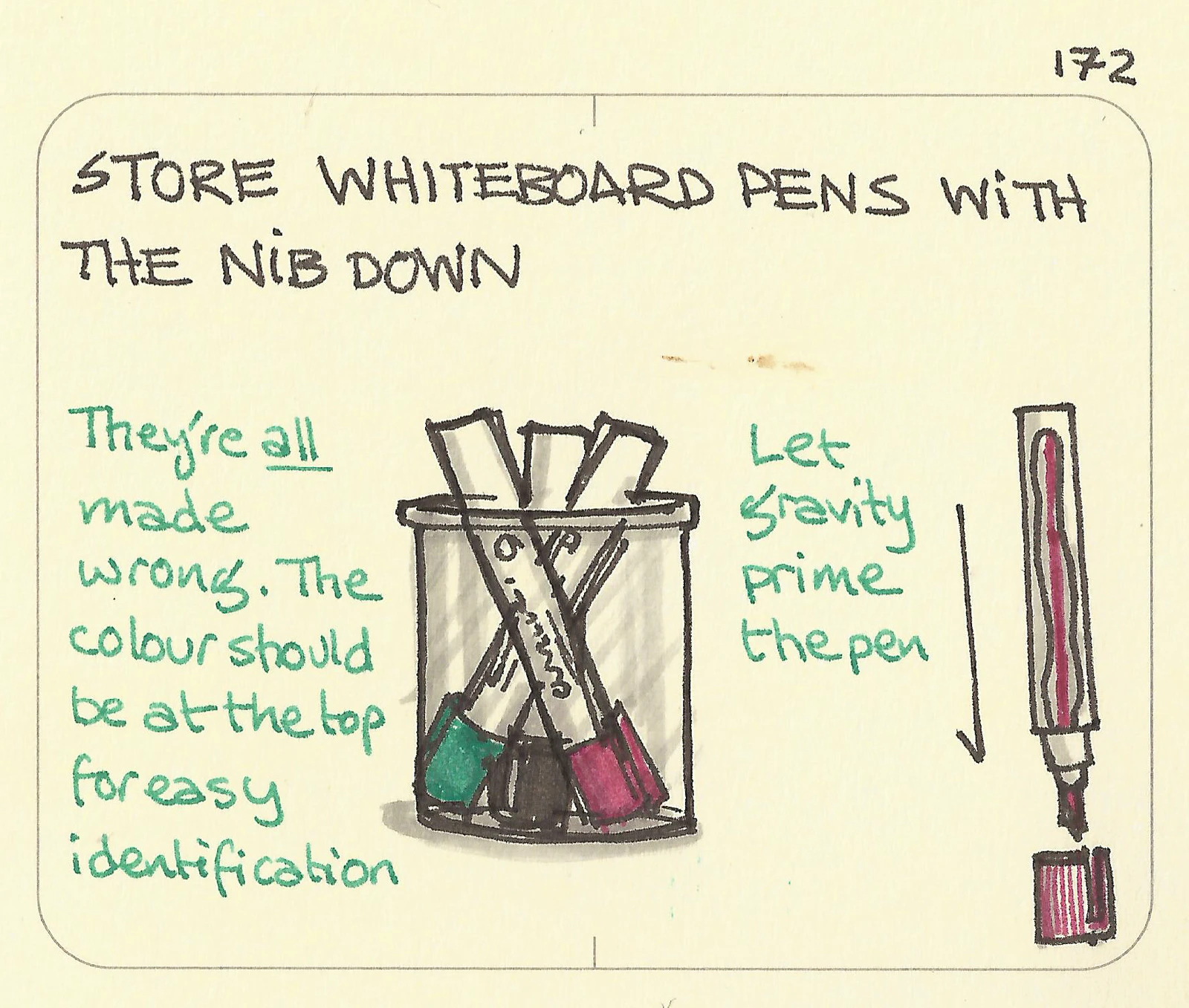
Pens need to be stored nib-down, to have ink flow under gravity. But then you can’t tell the colour!
Contradictory Situations: Houston, We have a Problem!
We don’t contemplate only objects at all times; indeed, as designers/artists/creators, we want to be able to make objects. What we more commonly contemplate is a situation.
Contradictory Objects and Situations
How does one figure Parameters/Aspects/Knobs on situations?
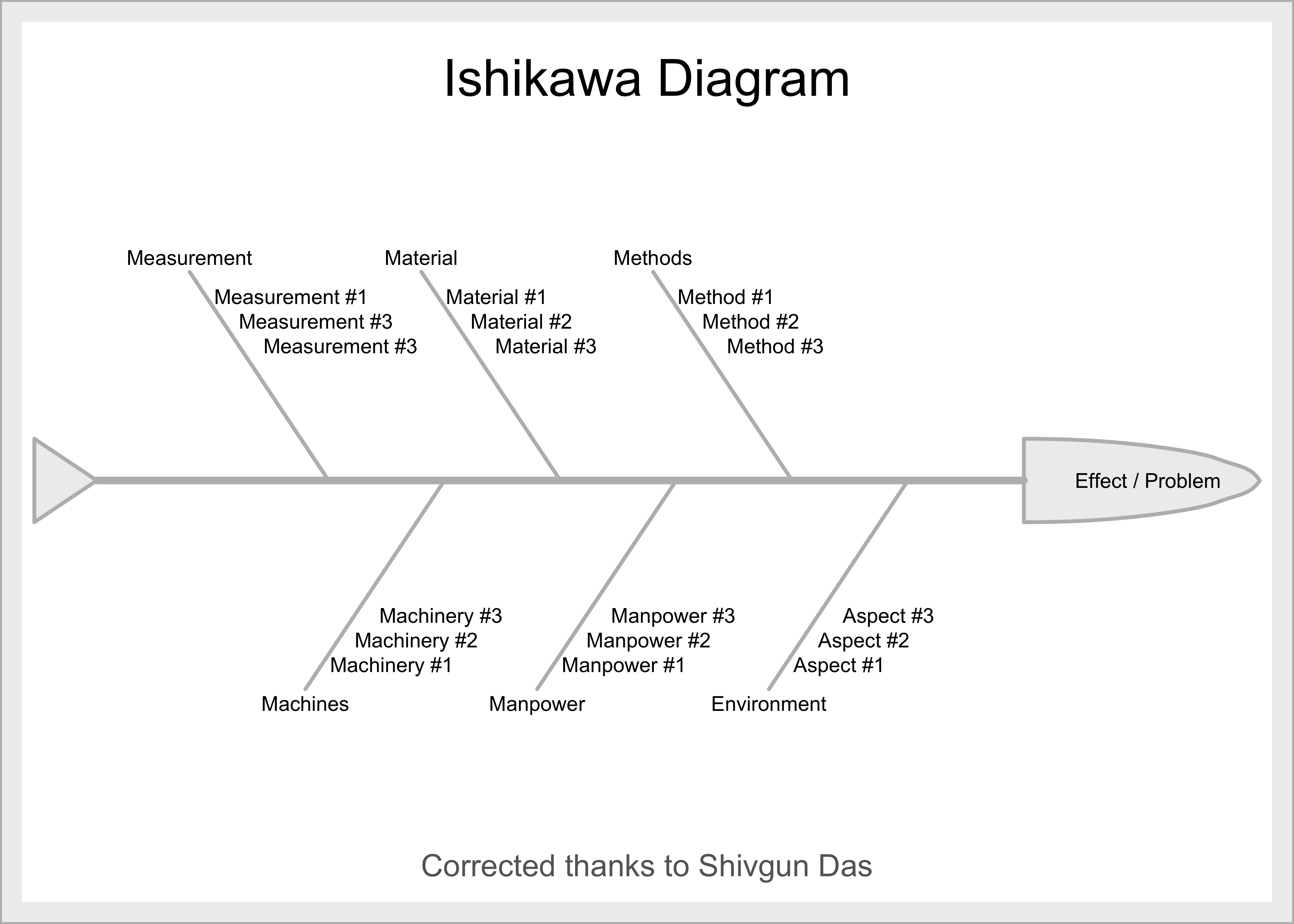
We use what is called an Ishikawa Fishbone Diagram. There are many versions of this diagram depending upon the DOMAIN it is applied in; it should be considered more as a process for thinking. You should search for other forms of this diagram and quickly learn to apply them.
ImportantDesign of Experiments
Deciding which are the Knobs that matter, and how they effect the outcome is not always this simple. It would typically involve research using structured experimentation to determine the effects of turning the knobs and deciding which ones matter. This experimentation lies within a DOMAIN called Design of Experiments, which you should be taught in what is called Design Research.
Documenting the Administrative Contradiction
Populate the Ishikawa
Use the Ishikawa Diagram “vectors” and populate them using the Deming procedure: “Ask why 5 times” – W. Edwards Deming
- What does the situation include?
- Who are involved?
- When does the situation occur? All the time? Under certain circumstances?
- Where does the situation occur?
- Why does the situation occur?
- How does the situation occur?
This is still descriptive. We are just documenting the independent variables in the system and describing the (unwanted) situation, the dependent variable.
NoteAlmost like ML?
The idea of independent and dependent variables should remind you of Machine Learning!
Think Knobs!!
- Pretend each “vector” on the Ishikawa is now a knob!
- What do the knobs control? Metaphoric Attributes!!
- What is the default setting for the Attribute?
- What would happen if you turn the setting to max and then to min?
NoteSimilarities
This process should remind you of our exercise on the Guilford and Wallach-Kogan Divergent Thinking Game, except that this is of course more structured method, whereas that was simple brainstorming.
Even more closely, this resembles Edward de Bono’s Six Hat Thinking / Parallel Thinking method, where we wear 6 different hats to direct our thoughts to specific aspects of a Situation, including our feelings!
With this method you should be able to state an Administrative Contradiction in the following (loose!) sentence structure — Items in < > come from the Ishikawa and your 5W + H questions):
When we, as < WHO / MANPOWER >, attempt to perform < HOW / METHOD > during <WHEN> on < WHERE / MACHINERY / KNOB>, we improve <EFFECT>, but lose out on <negative EFFECT>.
(Write this both ways, improving one Knob and losing on the other, and vice versa).
Let’s see this method in action. The Domain of work may not be ours, but the context should be clear enough!
Let us now apply these ideas to examine the following challenges below.
Contradiction Challenges
Wait, But Why?
- A Contradiction is a powerful way of understanding and stating a problem.
- In many situations, such a Contradiction leads to a compromise solution.
- TRIZ brooks no compromises and cultivates a Worldview that Contradictions lie at the heart of Inventive Problems
- And that such Contradictions can be solved by using one or more TRIZ Inventive Principles
- Head off to Assignment A-social Media.
- Analyze any one of the Contradiction Challenges above. Document the Ishikawa diagram, and turn the knobs to arrive at a Contradiction.
References
- Dr Rafiq Elmansy. (02/05/2023). How to Use the Fishbone Diagram in Root Cause Analysis? https://www.designorate.com/problem-solving-cause-and-effect-diagram/
- Ellen Domb (1997). How to Help TRIZ Beginners Succeed. https://www.metodolog.ru/triz-journal/archives/1997/04/a/index.html
- https://www.bbc.com/worklife/article/20201109-why-the-paradox-mindset-is-the-key-to-success
- https://hbr.org/2008/06/the-contradictions-that-drive-toyotas-success
- Open Source TRIZ: Contradiction Challenges! https://www.opensourcetriz.com/images/1_OpenSourceTRIZ_Pictures/1.1_Teaching_Materials/01_Contradictions_Exercises_Actual.pdf
- https://taproot.com/whats-wrong-with-5-whys-complete-article/
More Contradictions?
If you live in an apartment complex, you might see people walking. Some walk “normally”, along the driveways or pathways. Some walk with excruciatingly specific intent along the periphery of every walkable surface, going into far corners and turning and walking around the far edges of building, and near to compound walls and gates. Why are they doing this?
What was the boon requested by Hiranyakashipu?
Why do most people love landscape paintings such as those by Ivan Shishkin and John Constable? See this pagefor a well-articulated TRIZ-contradiction in landscape paintings.
Good fences make good neighbours, it is said. Spot the Contradiction here?
Why do police cars switch on their sirens as they rush to a potential crime site? Isn’t it better to arrive swiftly and silently to catch the criminal? (Note: this is also close to the idea of the IFR in TRIZ.)
All students say Bro, My Bad, fr, bussin, periodt, and much much worse, Think Different (grammar-challenged *&^%$#@ peasants). They all sound the same, these “Words of Wisdom”. And yet want Faculty to identify, know, and appreciate them individually. Bah.
-
Is this piece of music Disco? Opera? Ballet? Flashmob? College Dance? All o’ them at once? And yet…it is one of the most iconic pieces of Pop music, composed and sung by Taylor Swift’s Intellectual Grandmother, that set the tone for generations/genres of music!!
-
And finally, what does this even mean!!??!!
Always go to other people’s funerals, otherwise they won’t come to yours. -Yogi Berra
Additional Readings
Do glance through these articles and try to form a “contradiction mentality” about things around you:
- https://www.bbc.com/worklife/article/20201109-why-the-paradox-mindset-is-the-key-to-success
- HBR. The Contradictions that drive Toyota’s Success. https://www.pickardlaws.com/myleadership/myfiles/rtdocs/hbr/old/TheContradictionsThatDriveToyotasSuccessHBRJune08.pdf
- Open Source TRIZ: Contradiction Challenges!
- Kannada Proverbs: Contradictions? https://girmitt.wordpress.com/kannada-proverbs